
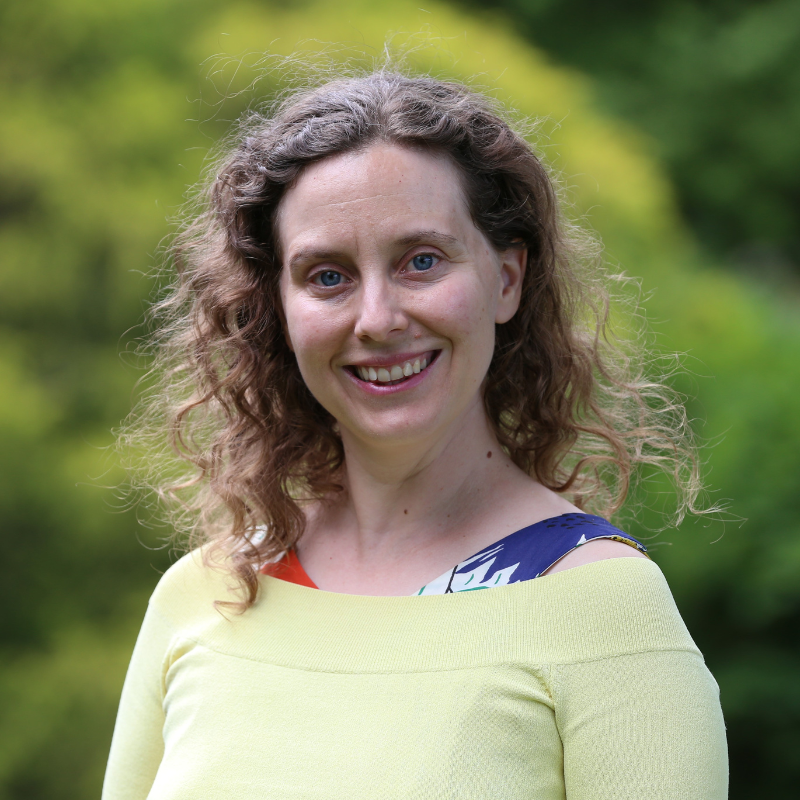
By Sarah Wilkinson
DHPSNY, in collaboration with the New York Council of Nonprofits (NYCON), facilitates Strategic Planning Assistance to help cultural organizations across New York State build clarity and capacity. In this guest article, Sarah Wilkinson — who brings over 20 years of experience guiding mission-driven organizations through strategic planning, communications, and program development — shares a behind-the-scenes look of what the process entails and why it matters.
Picture this: It's 2027, and you're sitting in yet another board meeting where someone asks, "So... what are we actually trying to accomplish here?" Sound familiar? Or maybe you're the one asking the question.
If your organization is managing more reactively than by creating opportunities, you're not alone. But you're also not setting yourself up to thrive in an increasingly complex landscape where a clear vision can help navigate an unpredictable operating environment, support authentic community engagement, and build your board capacity to tackle harder questions than ever.
Strategic planning isn't just for the "big" organizations. It's for any historical society, archive, or museum that's ready to get intentional about their impact.
The Tell-Time Signs It’s Time to Get Strategic
Strategic planning determines where an organization is going over the next years, how it’s going to get there, and how it will know if it has arrived. It helps define what an organization wants to achieve and in what ways the organization needs to shape the future to get there.
Here are some key signs that your organization needs to pause and plan:
- Your last "plan" was scribbled on a napkin in pre-COVID (or you've literally never had one, and that's okay – we don't judge)
- Board meetings feel like Groundhog Day where the same questions are asked but never answered: "What's our priority?" "Where should we focus?"
- Grant applications take forever because you're not sure how to articulate your organization's direction
- Your programs are like a potluck dinner, with lots of good individual dishes, but they don't necessarily go together or serve the same audience
- You're facing a leadership transition and realizing your institutional knowledge lives primarily in someone's head
- You're spending more time putting out fires than lighting them
If you nodded along to any of these, congratulations! You're human, and you're running a real organization with real challenges. The good news? There's a way forward: strategic planning.
What Happens During Strategic Planning
Working with DHPSNY and our partners at the New York Council of Nonprofits (NYCON) isn't your typical consultant set-up. We know you don't need another binder full of theory. You need a process that works for organizations juggling volunteers, tight budgets, and collections that can't be moved to a conference room. That’s what you can expect with our four-phased strategic planning process.
Phase 1: The Detective Work
We dig into your reality – not just the glossy brochure version, but your organization’s real story. Your documents, your programs, your website. We're like friendly archaeologists, excavating the truth about where you actually are right now.
Phase 2: The Listening Tour
Here's where it gets interesting. Through surveys and conversations, we help you discover what your board, staff, volunteers, and community think about your organization's strengths, challenges, and potential. The answers are often surprising, always enlightening, and often contradictory.
Phase 3: The Planning
This is the intensive phase where your leadership team rolls up their sleeves and gets real about the future, in-person, working together. We're talking vision, goals, and the kind of concrete planning that turns "we should..." into "we will..." This is the time that we sort through any contradictions found in the Listening Tour.
The result? A roadmap with 3-5 goals that make sense for your unique organization.
Phase 4: Making It Stick
Too often, organizations file and forget about strategic plans once they’re finalized. We help you present your plan to the full board, build buy-in, and create momentum, and a plan, for implementation. Because a plan that doesn't get used won't move the needle on funding and progress.
Why Historical Organizations Need This
Your challenges aren't generic nonprofit problems. They're specific to your own organization, including your unique history, programs, staff and volunteers, collections and so much more. Strategic planning helps you tackle the big questions:
- How do you honor history while staying relevant?
- How do you tell stories that matter to today's communities without erasing the complexity of the past?
- How do you build sustainable funding when you're competing with urgent social causes and shiny new nonprofits?
- How do you manage the delicate dance between passionate volunteers, overloaded staff, and well-meaning board members who all have different ideas about priorities?
- How do you prepare for leadership transitions without losing your organizational focus and priorities?
A strategic plan doesn't just answer these questions, it gives you a framework for answering the new questions that will inevitably come up in the planning process.
Strategic planning can sound like one more thing on your to-do list. But the organizations that will thrive in the coming years won't be the ones with the most current resources or the fanciest facilities. They'll be the ones that know where they're going and why it matters.
Your community's stories deserve an organization that's not just surviving, but strategically positioned to grow, adapt, and create lasting impact.
Your future self, and your community, will thank you.
